Third Street Center is a 501c3 non-profit that has been serving the needs of the Roaring Fork Valley since 2010
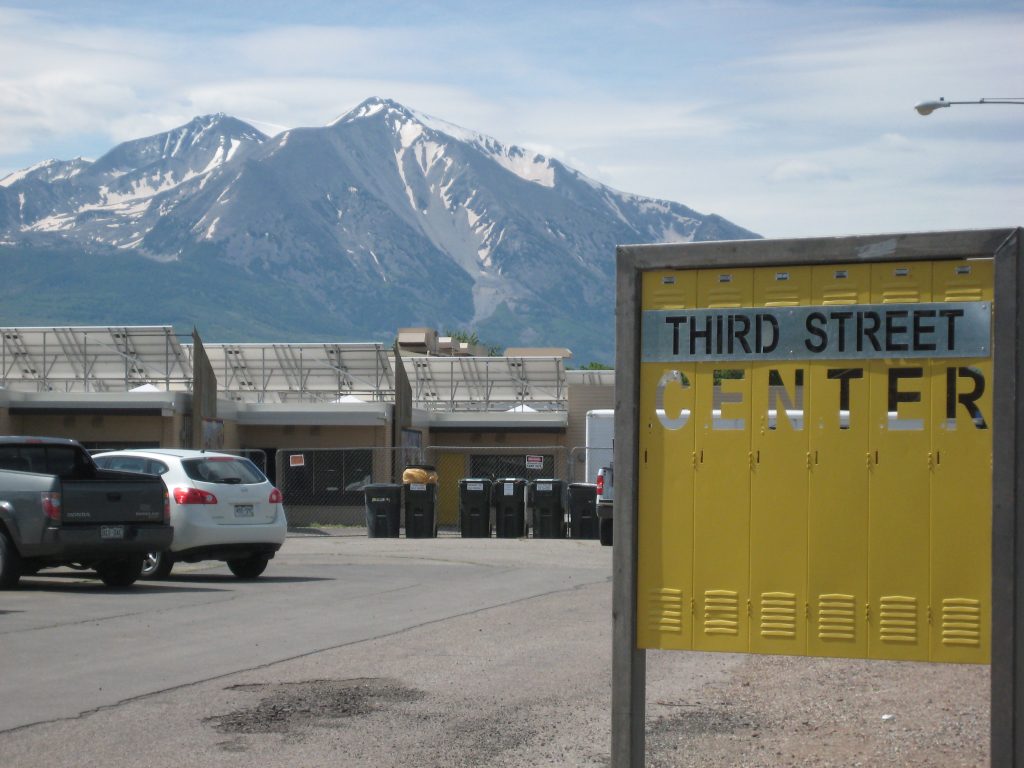
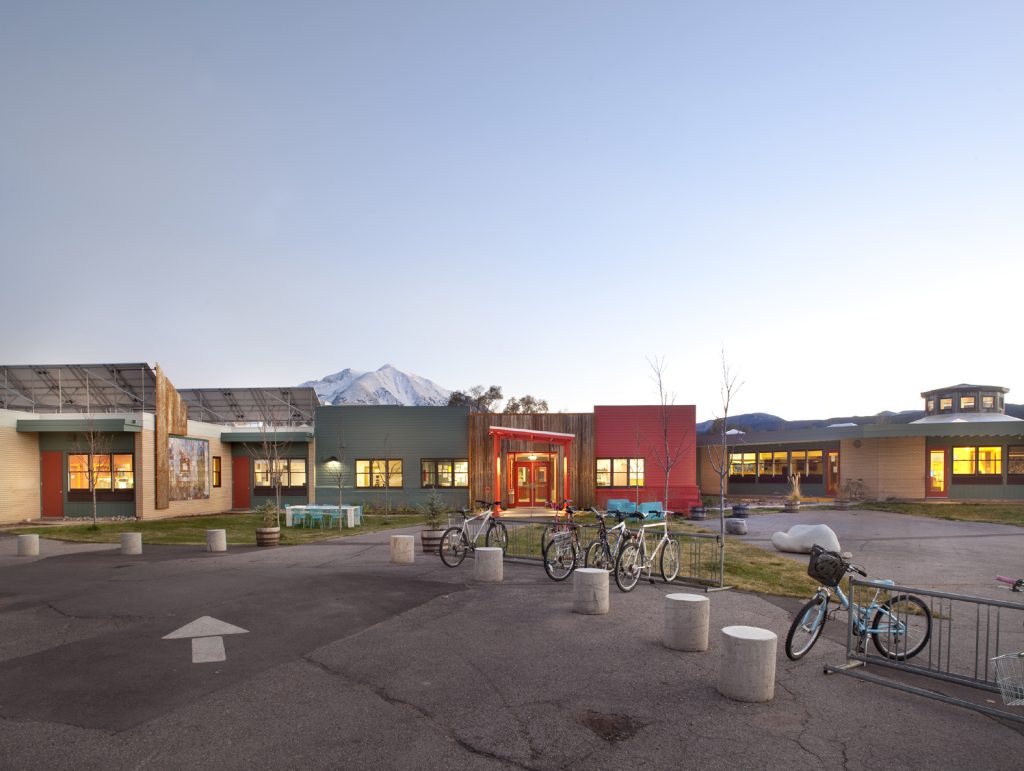
We offer high-quality meeting rooms, affordable spaces for nonprofit business incubation, a community hall for meetings, concerts and events - all in a solar-powered facility. We have become the place where our community meets to exchange ideas and inspiration. Carbondale, Colorado has a history of forging creative solutions and enlisting individual talents to accomplish great things for the Roaring Fork Valley. Where a need has been identified, Carbondale has rallied to meet it. This is especially true of the 45,100-square-foot renovated Third Street Center.
Third Street Center offers opportunities for our community to:
INNOVATE, LEARN & CELEBRATE
COLLABORATE CREATIVELY & EFFICIENTLY
DEVELOP IMPACTFUL SOLUTIONS
ABOUT US
2000
Annual Meetings and Events take place in the Center
17
Annual economic activity based on tenants' budgets
100
Solar Powered. Fully powered by the sun!!
4
Funding needed for upcoming repairs and maintenance to the building
OUR HISTORY
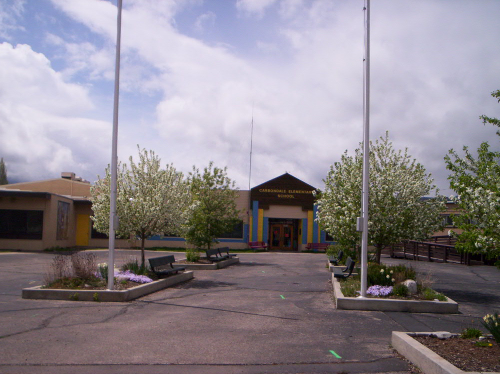
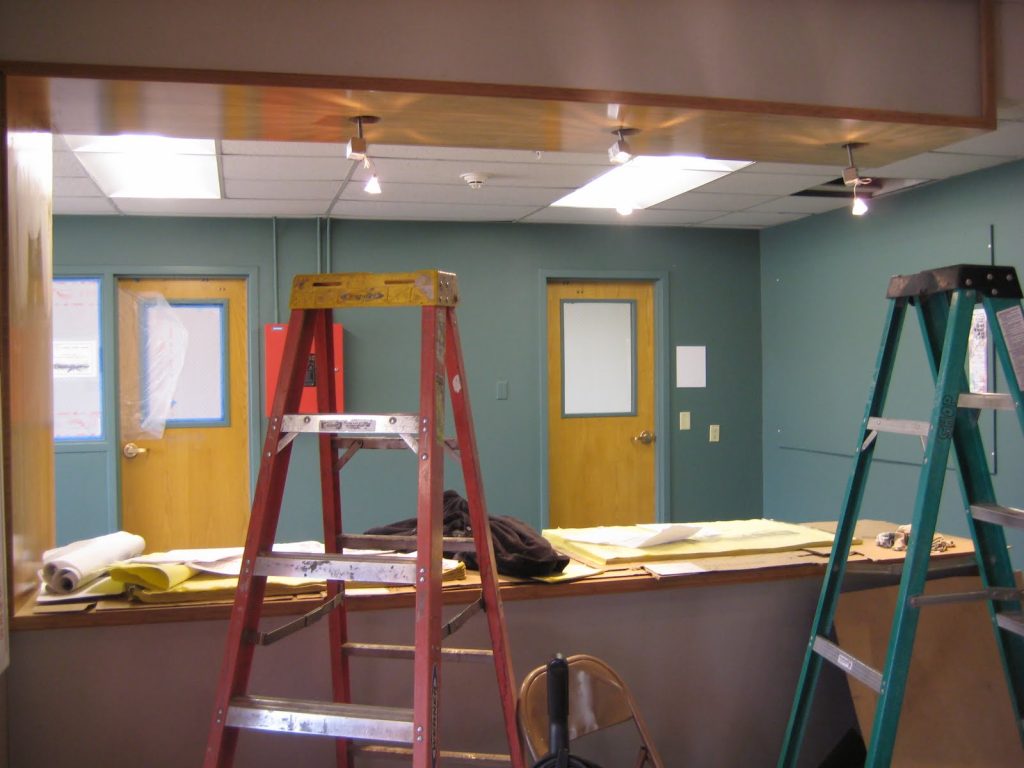
An endeavor of this magnitude has required the collective expertise and good faith of many individuals. Challenged and inspired by their common vision, diverse constituencies – ranging from private citizens and design professionals to nonprofit leaders and elected officials – negotiated a series of steps to ready the old Carbondale Elementary School for its renovation. In October 2008, the Town of Carbondale and the Roaring Fork RE-1 School District completed a land swap that brought the school and the land under the Town’s ownership. The Town subsequently executed a renewable 49-year lease with the Third Street Center Nonprofit Board of Directors, allowing years of planning to move to the tangible reality of renovating the building.
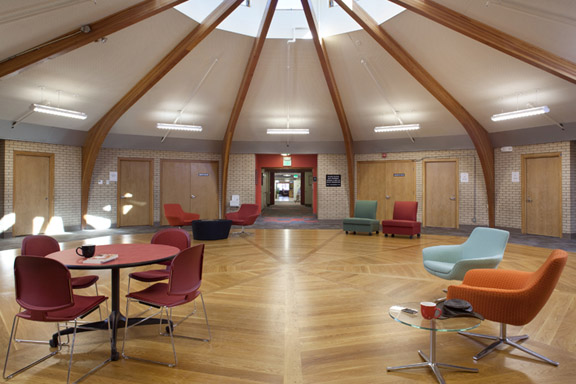
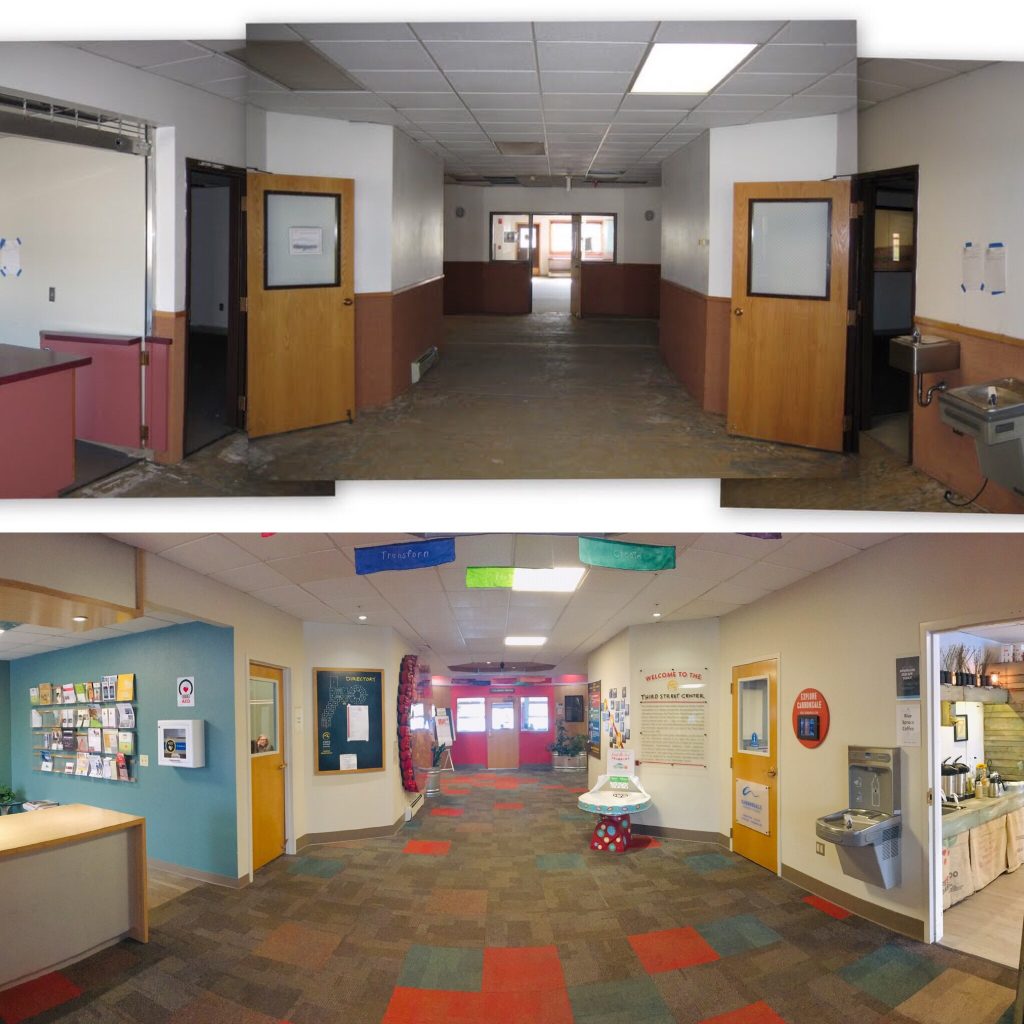
Flooded with natural light, animated by art, and filled with innovative green design elements, the Third Street Center provides an attractive, productive environment for its tenants. Shared spaces, such as a board room, break areas, and community room, further conserve resources by reducing the amount of space tenants must lease individually to conduct their programs. Additionally, these common spaces foster a culture of collaboration that has synergistic benefits for the community at large.
Carbondale Elementary School opens
1961
Empty school transitions to community space
After the Town of Carbondale conducted an economic planning process in 2006, The Economic Development and Sustainability Plan (The Roadmap) identified the decommissioned Carbondale Elementary School as a community space for the many nonprofit organizations in Carbondale and an incubator of innovation, sustainability, and economic activity.
2006
Renovation of the Third Street Center Begins
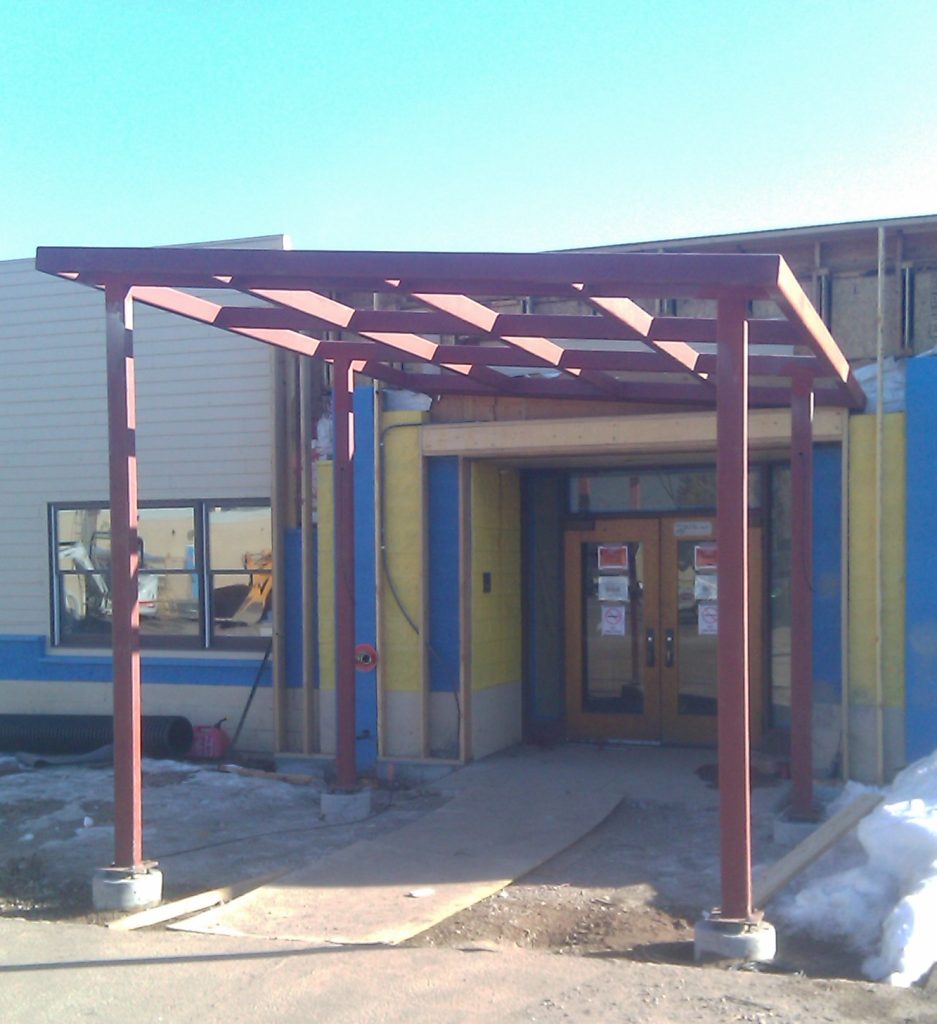
The Town of Carbondale swapped land with the Roaring Fork School District and gained ownership of Carbondale Elementary School. The town of Carbondale, The Manaus Fund, Alpine Bank, Roaring Fork Community Development Corp, and Sustainability Center of the Rockies (SCoR) collaborated to set up a nonprofit structure and finance the renovation of the Carbondale Elementary School to the Third Street Center. Construction begins.
2008
The Third Street Center opens
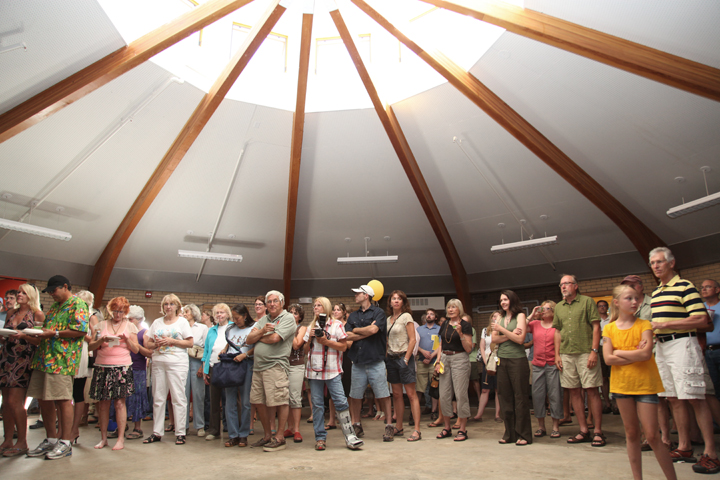
The Third Street Center opened with a Grand Opening Celebration in June of 2010.
2010
Third Street Center Development Team
Land & Shelter
- Gavin Brooke
- Andi Korber
Roaring Fork Community Development Corporation
- Colin Laird
Energy & Sustainable Design
- Jeff Dickinson
- Angela Loughery
- Robin Scher
Capital Campaign Director
- Judith Olesen
Founding Board of Directors
- Richard Fuller, President
- Michael McVoy, Vice President
- Stacey Bernot (Town Representative)
- Shane Evans
- Laura Kirk
- Ro Mead
- Dan Miller
- George Stranahan
Our
Building
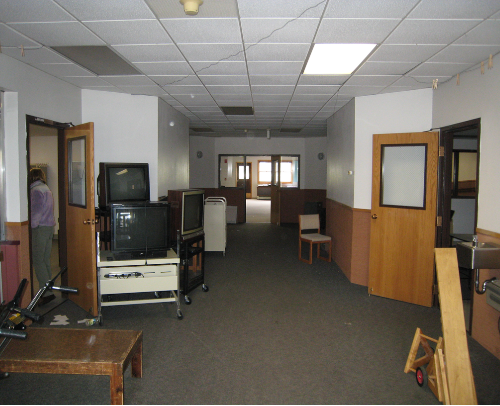
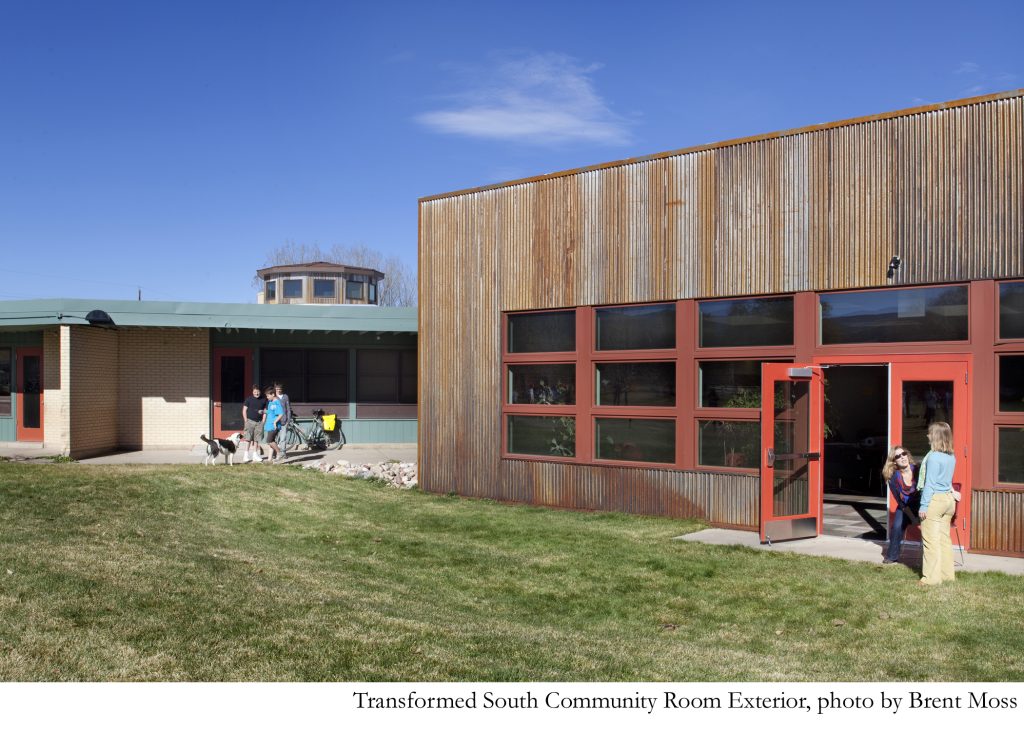
Transforming a 1961 school building that had undergone expansion over the decades presented the Third Street Center’s Design and Development Team with unique challenges … as well as enormous opportunities. The project team, led by developer Gavin Brooke of Land + Shelter and architect Jeff Dickinson of Energy and Sustainable Design, made sustainability a core design principle. Using LEED guidelines, they developed a renovation plan that unifies the building’s sections, honors a commitment to managing longterm costs for tenants, and minimizes the facility’s carbon footprint.